There’s a lot of gold in South America.
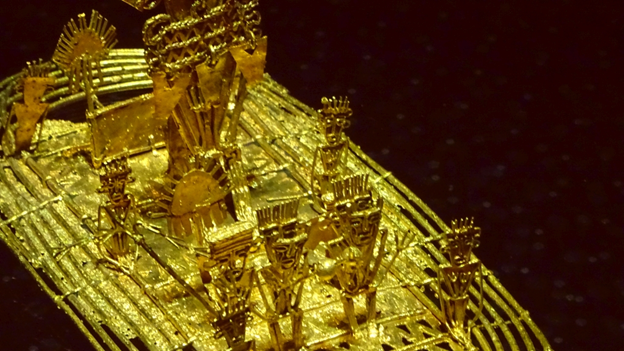
The conquistadors of the 16th century saw the amount of gold held by Aztecs and other groups immediately. It’s pretty much the entire reason for early conquest in the Americas. They found piles of gold in temples, pieces of exquisite art, made from nearly pure gold – like the famous Muisca Raft, a 7”x4”x4” casting.
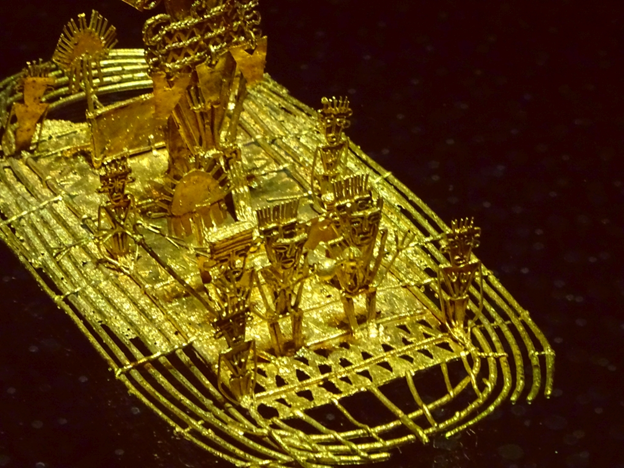
All of this gold – piled up, on display – the Spanish conquistadors simply knew there was tons of the stuff yet to be mined. There HAD to be some massive deposit, just waiting to be uncovered. There had to be more cities of gold, containing riches just waiting to be scooped off the ground.
And after cleaning out the above ground treasures of Central and South American civilizations, they looked for the mines – for centuries, without much luck. The legends of “Lost Cities of Gold” are still a staple of literature, fiction and non-fiction alike.
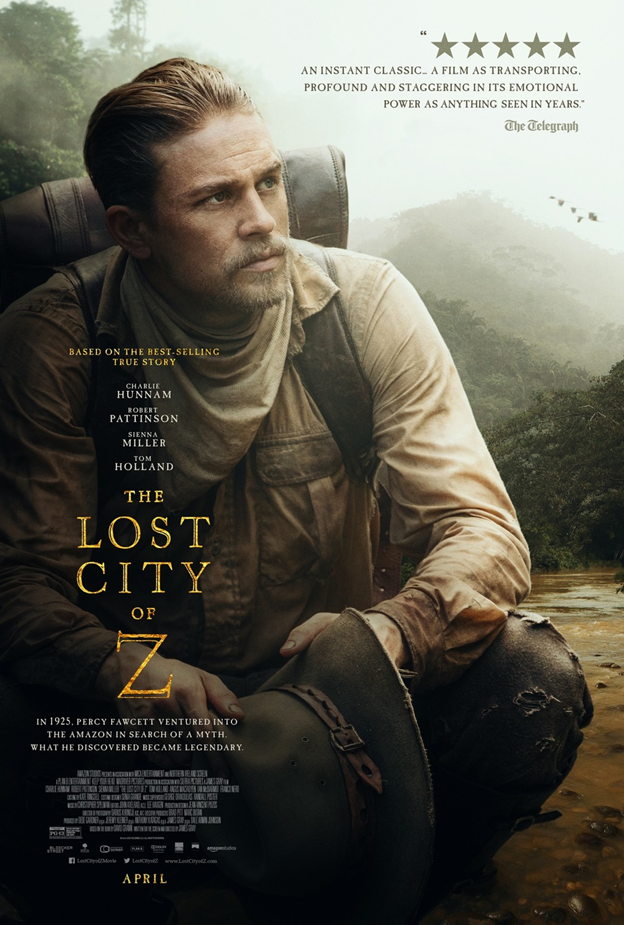
“The Lost City of Z” was first a book about Percy Fawcett – the true story of an explorer looking for a famed city deep in the Amazon rainforest in the early 1900s. In 2017, it was turned into a motion picture starring Charlie Hunnam, of “Sons of Anarchy” fame.
But Z is just the latest in a long line of South American “lost” cities, full of riches.
El Dorado was the big prize: a city of gold, somewhere in the Columbian jungle – rumored to be nearby lake Guatavita. British and Spanish explorers drained this lake in search of gold, but didn’t find much.
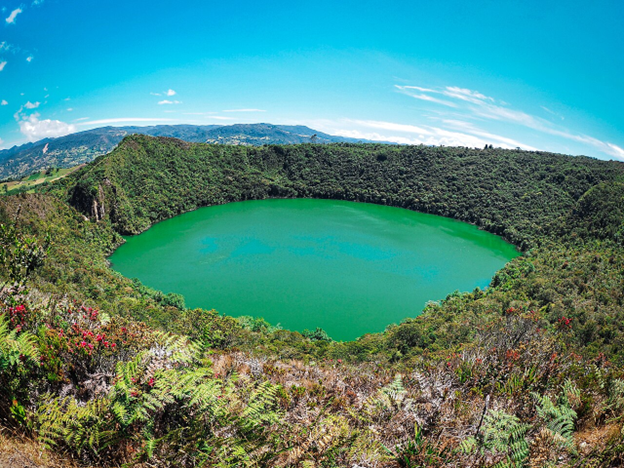
I visited Guatavita yesterday on my way to a promising gold deposit currently being drilled in Columbia. I’ll have more details of my trip in the coming days…
The truth is: there is lots of gold in South America. The bulk of it would not be visible to conquistadors on foot, armed with little more than shovels and picks.
It’s in dense jungles or in desert mountains far above sea level – and importantly: underground.
Whatever mining operations which yielded the substantial gold found by early explorers were either picked clean by natives or lost to the jungle.
These early explorers and conquerors were fooled by a story they told themselves – a story of a lost city of gold where every street and building is made of the stuff.
Central Banks Just Made Their Move
Foreign central banks have cut Treasury holdings to their lowest level since 2012—dumping $82 billion in March. At the same time, they now hold more gold than Treasuries. That’s not a trade – it’s a strategic shift. I’ve spent years studying gold cycles, and when central banks move like this, they’re positioning ahead of something bigger.
See where smart money is going now.
Before we laugh, we should consider that most gold investors fall for similar stories.
They read a news release or an investor relations campaign telling a fantastic story about millions of ounces in the ground – just waiting for investors to pry it loose.
I’m sure you get some of these stories in your inbox every day.
But the real story is much simpler and boring: the gold found in South America (and elsewhere) takes time, expertise and lots of technical procedure to uncover.
It’s a story of diligent attention to drill results, feasibility studies, economic assessments and audited reports.
The “eureka” of legend happens over months and years. There’s no single moment of a payoff.
I know most gold investors are looking for a eureka. They’re looking – just like the conquistadors – for a quick windfall of gold landing in their lap.
That’s now how it works.
Next week, I’ll fill you in on what I found here in the jungle of Columbia.
Have a great weekend.
Best,
Garrett Goggin, CFA, CMT
Lead Analyst and Founder, Golden Portfolio